BA in French Teaching; PhD in Educational Technology; Associate Professor of ICT at University of Kentucky School of Information Science. My CV is available here, you can browse my research here, and my Google Scholar profile here
Supported by digital methods, my research focuses on online social spaces, community practices within these spaces, and the influence of the platforms where they are found. My research is interdisciplinary, exploring spaces associated with teaching and learning, Mormonism, the far right, or even combinations of these themes.
You can subscribe to this content through this RSS feed or this Mastodon account. You can also subscribe to all of the content on this website through this RSS feed, this Bluesky account, or this newsletter.
I sometimes write in French! To only see the French content (which is also available below, alongside English content), please click on [fr] in the site header.
🔗 linkblog: 'The Biggest Student Data Privacy Disaster in History': Canvas Hack Shows the Danger of Centralized EdTech
Some important observations by Ian Linkletter in this interview.
🔗 linkblog: The Canvas Hack Is a New Kind of Ransomware Debacle
Definitely worth bookmarking this for semesters to come. I like Canvas as far as LMSs go, but the sheer scale of dependence here has me thinking about taking other approaches. This first paragraph is a doozy:
Higher education has long been a target of ransomware gangs and data extortion attacks. But never before, perhaps, has a cyberattack against a single software platform so thoroughly disrupted the daily operations of thousands of schools across the United States.
🔗 linkblog: Book publishers sue Meta over AI’s ‘word-for-word’ copying
This is a good example of how thorny the AI problem is, and why I strongly prefer a digital labor critique to a copyright critique. Yes, I’m mad that Meta trained their models on my work, but I don’t think the answer is to strengthen Elsevier or Cengage’s copyright claims.
🔗 linkblog: University Professors Disturbed to Find Their Lectures Chopped Up and Turned Into AI Slop
Well, this is certainly… something.
🔗 linkblog: Prestigious photo contest answers ‘what is a photo?’
I wish I knew enough about photography to really appreciate the details here, but I’m bookmarking it anyway because it feels like a contemporary, unintentional echo of observations Ellul makes in The Humiliation of the Word.
🔗 linkblog: Beshear is ‘losing confidence’ in University of Kentucky admin following recent hirings • Kentucky Lantern
You know, I wasn’t sure about the choice of Van Tatenhove as the next law school dean, but I figured that I didn’t know that much about the guy, and if the law faculty was on board, I ought to trust that rather than my gut reaction.
Finding out that faculty were not on board and that the university seems to have made the decision from above despite faculty concerns is more worrying than any concern I previously had.
🔗 linkblog: The Deepfake Nudes Crisis in Schools Is Much Worse Than You Thought
Audrey Watters once compellingly argued that metal detectors are edtech. I think we now have a responsibility to treat AI nudifier apps as edtech, too.
🔗 linkblog: To teach in the time of ChatGPT is to know pain
Really appreciate this essay. It puts things nicely and has the kind of personal investment that makes it relatable.
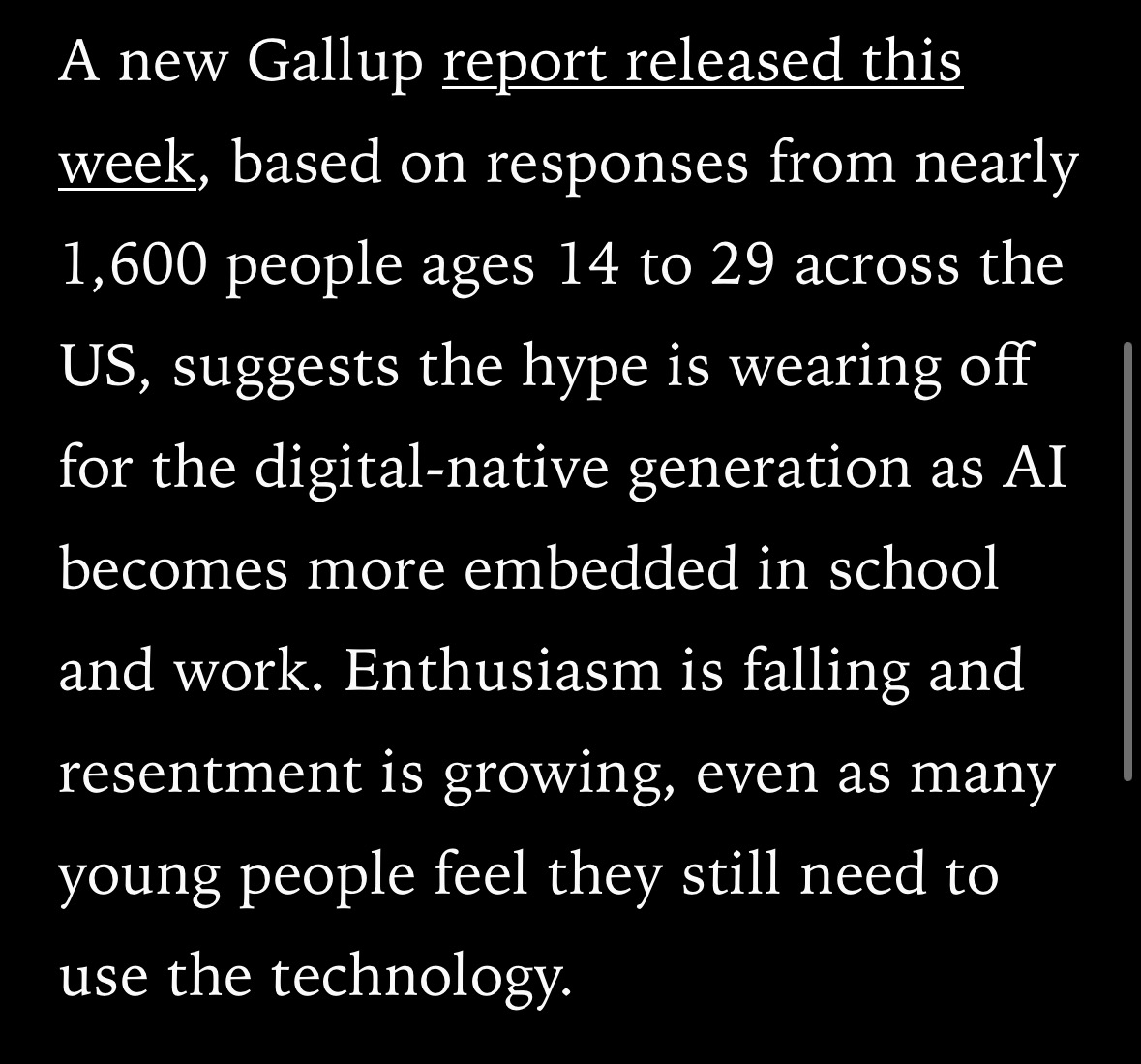
🔗 linkblog: UK hosts literacy training in AI to teach attendees of its potential
Two grumps (and, to be clear, I’m grumpy at my employer, not the student reporter):
the framing here is, as usual, “how to use” whether than “should we use”
“misinformation” is centered as the (implicitly sole) problem with generative AI, not digital labor or any of the deeper issues
🔗 linkblog: Sweden goes back to basics, swapping screens for books in the classroom
Mixed feelings about this. I think there are good reasons to be skeptical of ed tech at this level, but I also think that there is some unwarranted handwringing going on here. I have trouble untangling the two.
Jérôme Dupras, my favorite bassist-drummer-academic
Les Cowboys fringants is a Québécois folk rock band that has gotten a lot of my attention over the past five years (though I’ve enjoyed their music for even longer than that. I have a bunch of their albums, but over the past few months, I’ve taken to listening to some of their concerts that have been recorded. I do this while I’m working, so I’m usually listening to the sound rather than watch the visuals, but I do enjoy taking the occasional peek at what’s happening on stage, too.
what I dislike about AI isn't the tech (and why I like Ellulian 'technique')
Last Thursday, I listened to a recent episode of The Vergecast during my morning bike commute. The episode featured Paul Ford talking about his recent experience with Claude Code, and I was genuinely surprised to find some of his comments resonating with me. It helped that Ford wasn’t uncritical about AI (though certainly not as critical as I would have been), but some of it was just that I recognized some of the thrill that he was describing of using tools and resources to learn how to solve a problem. In fact, I found that thrill so contagious that a passing comment he made got me to spend some time once I got to the office converting my Twitter archive into a CSV that I could finally import it into the Day One journaling app that I use.
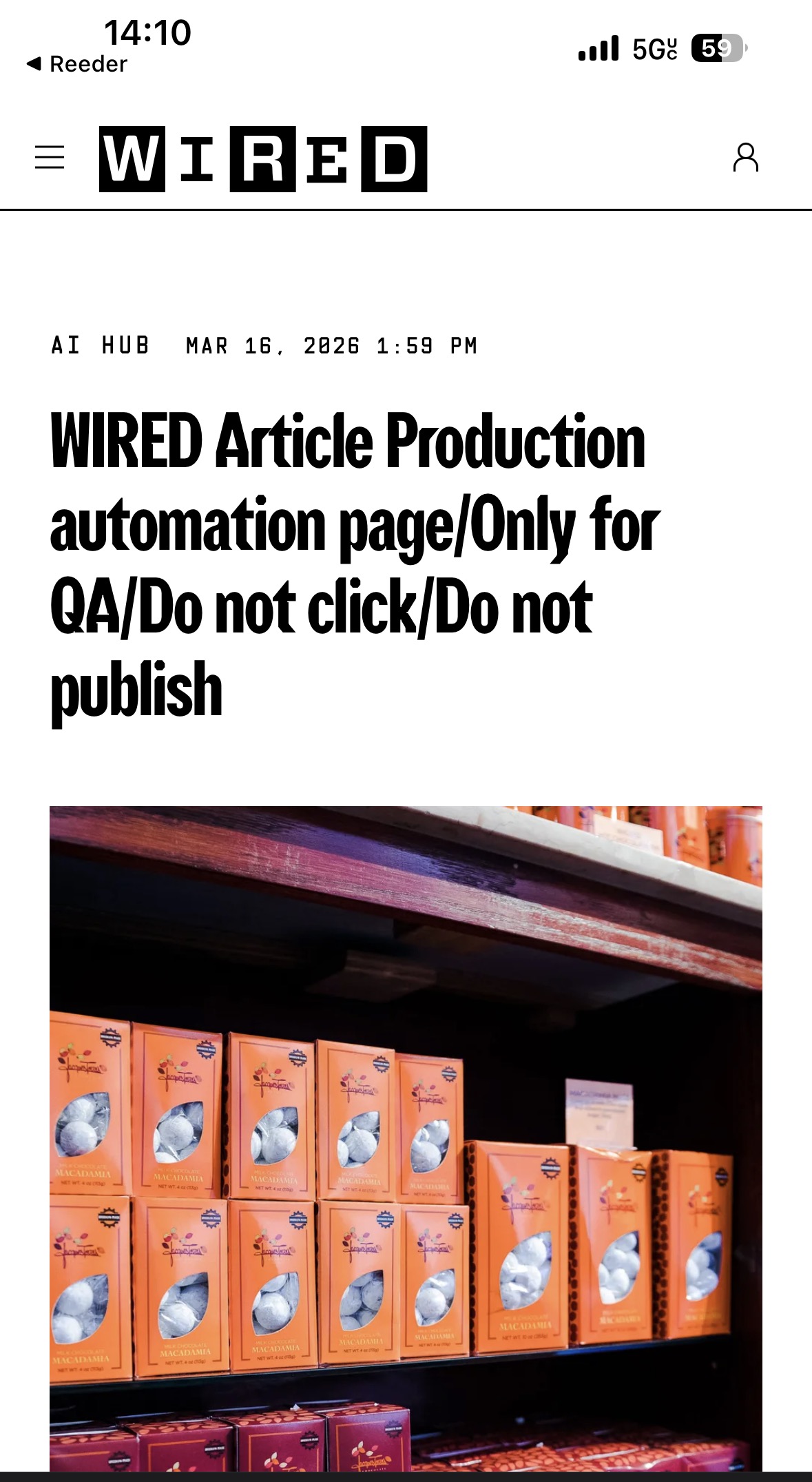

🔗 linkblog: What’s the Point of School When AI Can Do Your Homework?
The headline isn’t what I would have chosen, but there’s a lot worth reflecting on in here.